

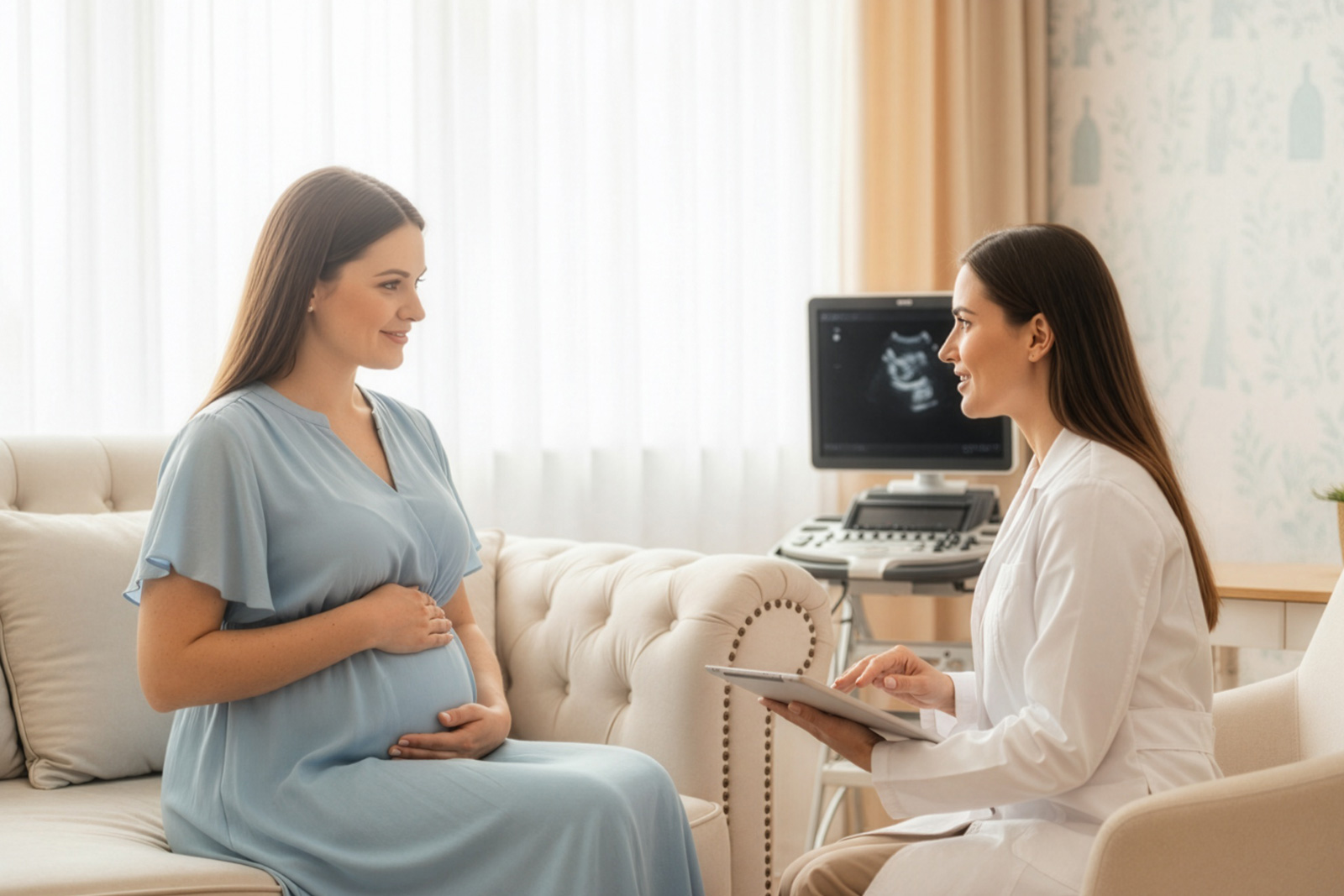
For many women, the decision to treat fibroids goes hand in hand with one big question: “Will I still be able to have a baby?” This worry is deeply personal and completely valid. When you’re planning your first pregnancy or hoping to expand your family, it’s natural to wonder how a medical procedure might affect something as intimate as fertility. At Lumina Health, we meet women every day who share this concern. Our role is to bring clarity, honesty, and reassurance, especially when the procedure in question is uterine artery embolisation.
Uterine fibroids can cause pain, heavy periods, and fertility struggles, and many women look for treatments that relieve symptoms without surgery. That’s where uterine artery embolisation comes in, a minimally invasive way to manage fibroids while preserving your uterus. Yet myths about its impact on pregnancy often lead to unnecessary fear. This guide explains the facts, what the latest research says, and how real women continue to have healthy pregnancies after the procedure.
Understanding Uterine Artery Embolisation: Treating Fibroids Without Surgery
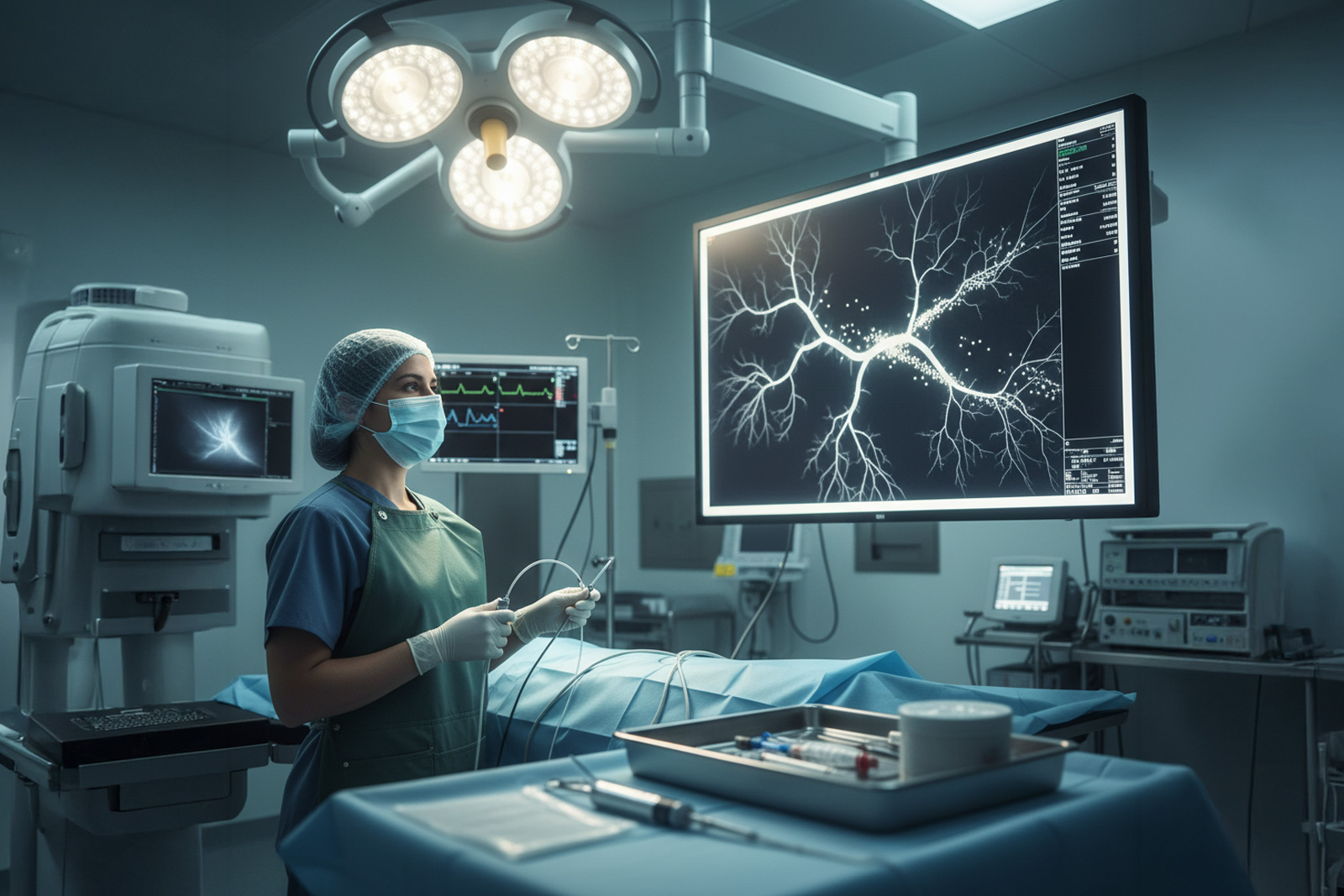
Uterine artery embolisation is a non-surgical procedure that targets fibroids through the blood supply rather than direct removal. Under image guidance, an interventional radiologist inserts a tiny catheter into the arteries that feed the fibroids and releases small particles to block the blood flow. Without that supply, the fibroids gradually shrink, easing symptoms such as pressure, pain, and heavy bleeding.
The biggest advantage is preservation; your uterus remains intact. For women who wish to avoid major surgery like myomectomy or hysterectomy, UAE provides an option that balances relief with recovery. There’s no abdominal incision, minimal downtime, and usually just one night of rest at home. Over the following months, fibroids soften and shrink naturally.
Many of our patients at Lumina Health choose this path because it gives them control. They can continue planning for their families while regaining comfort and energy. The idea is not to remove fertility but to restore normality, a goal shared by both gynaecologists and interventional radiologists working together.
Can You Still Get Pregnant After an UAE? Here’s the Evidence
The short answer is yes, pregnancy after uterine artery embolisation is possible. Over the past two decades, thousands of women worldwide have conceived naturally following the procedure. Clinical studies from the United Kingdom and Europe report live births, with outcomes influenced by age, fibroid size, and uterine healing.
However, earlier research raised concerns; more recent data show balanced results. Many of the early studies focused on women with severe fibroids or older age groups, which may have affected pregnancy rates. Today, with better technique and careful patient selection, pregnancy success rates after uterine artery embolisation continue to improve.
It helps to remember that fertility depends on more than one factor; egg quality, uterine health, hormones, and timing all play a part. By reducing fibroid symptoms and improving menstrual regularity, UAE can indirectly support conception for some women who previously struggled.
At Lumina Health, we often share stories from patients who felt discouraged before treatment but later conceived naturally. One woman in her late thirties described the relief of having regular cycles again and, six months later, discovered she was expecting. Every story is unique, yet they all share one theme: hope backed by sound medical care.
How UAE Compares to Myomectomy: What Studies Reveal
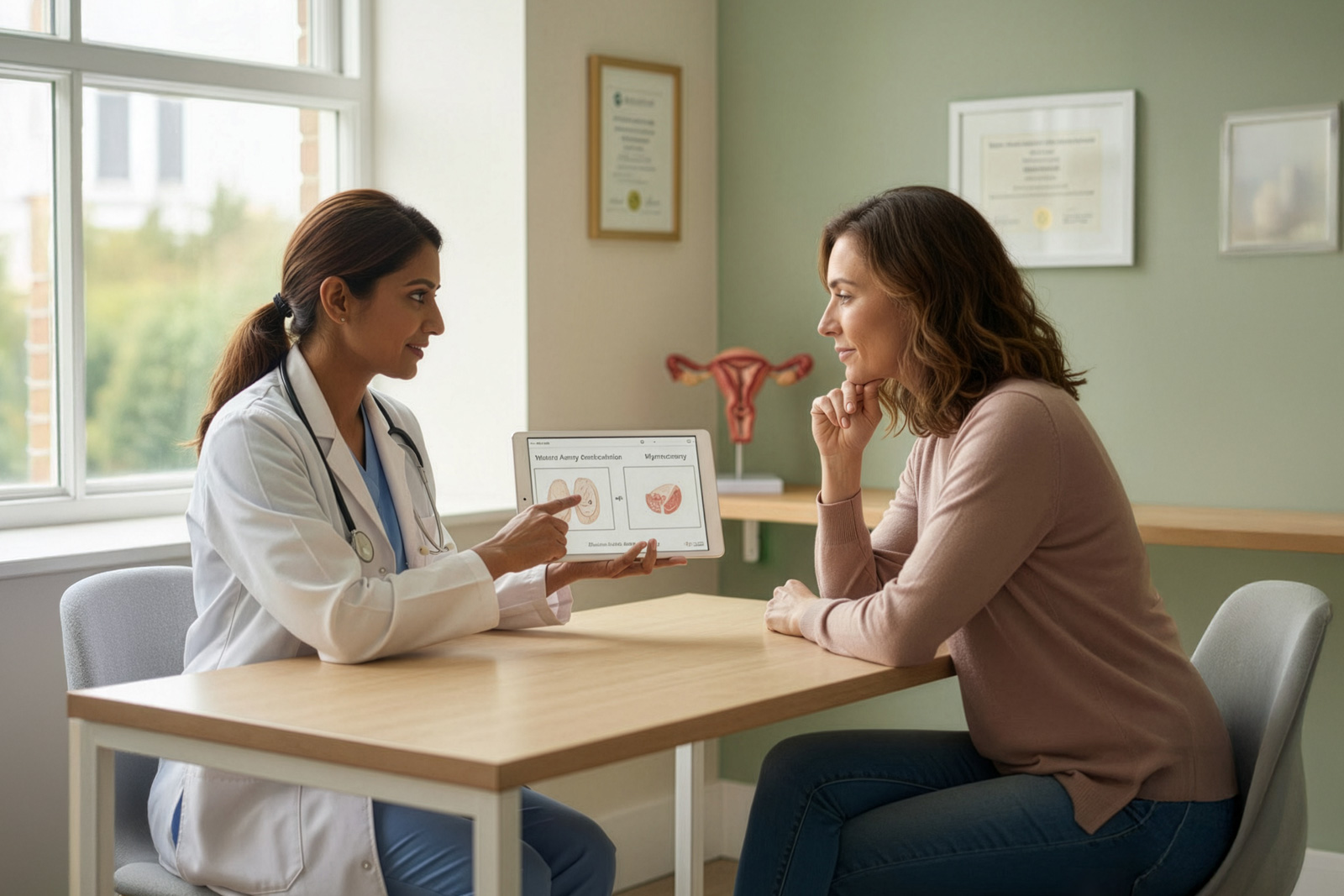
Many women are interested in how the UAE compares to myomectomy. Each treatment meets different needs, so it is helpful to review the main points that research often discusses.
- Some studies find that myomectomy may lead to slightly higher pregnancy rates, especially for younger women with only one fibroid.
- These results do not mean that the UAE prevents pregnancy. Instead, they show that each treatment fits different health needs and goals.
- UAE does not require open surgery, making it a good option for women who want a less invasive treatment.
- UAE reduces hospital time and supports a fast return to daily tasks.
- The UAE also lowers the risk of scarring that could affect the uterine lining after surgery.
- The UAE is a good choice for women who cannot have surgery for medical or personal reasons.
- It is important for each woman to have a careful assessment, so she can see how her age, medical history, and family plans affect her choice.
- Specialists at Lumina Health can help women compare both options, focusing on health,
Both UAE and myomectomy have roles in fibroid treatment. With expert guidance and a review of personal health needs, women can choose the approach that best supports their future plans and overall well-being.
When Is It Safe to Try for Pregnancy After UAE?
Timing matters. Most interventional radiologists and fertility specialists recommend waiting three to six months after uterine artery embolisation before trying to conceive. This period allows the uterus to recover and fibroids to shrink, reducing any lingering inflammation.
This healing phase is not a setback but part of a careful plan for success. Think of it as giving your body the chance to reset and prepare for pregnancy in the best condition possible. During this time, your cycles will likely become more regular, and your doctor may arrange follow-up imaging to assess progress.
Some women may need a little longer, depending on their fibroid size or overall recovery. Lumina Health’s specialists will review your progress and help determine the right timeline for your body.
Age and Ovarian Health: Why Personalised Care Matters
Age plays an important role in fertility, regardless of treatment choice. For women over forty, uterine artery embolisation can sometimes cause a mild reduction in ovarian reserve. This happens when nearby blood vessels supplying the ovaries are also affected during the procedure. While this is uncommon, it’s more likely in women nearing menopause.
Our approach at Lumina Health is proactive. Before treatment, we can check hormone levels such as AMH to assess ovarian reserve. After the UAE, we continue to monitor recovery and menstrual patterns. By combining interventional radiology with fertility awareness, we tailor every plan to the individual.
We’ve supported many women in their late thirties and early forties through this process. With good counselling, realistic expectations, and careful timing, conception remains achievable.
What Pregnancy Looks Like After UAE: What to Expect and Plan For
After Uterine Artery Embolisation (UAE), many women have questions about what pregnancy will be like. Most can get pregnant and have healthy pregnancies, but getting early advice and planning ahead is helpful.
1. Pregnancy is often normal, but it is followed more closely
Many women go on to have healthy, full-term pregnancies after UAE. Doctors might recommend more frequent check-ups to make sure everything is going well and to catch any problems early.
2. Early antenatal review and placenta checks
Obstetricians usually suggest coming in for an early check-up once pregnancy is confirmed. They pay extra attention to the placenta and the lining of the uterus, since these are especially important after UAE.
3. Understanding the small risks without panic
Studies show there is a slightly higher chance of things like early birth or changes in the baby’s position, but most pregnancies are still normal. Regular scans and check-ups help doctors manage these risks effectively.
4. Why collaborative care matters
Pregnancy after UAE goes more smoothly when radiologists, gynaecologists, and maternity teams work together and share information. This teamwork helps women get clear advice and steady support at every step.
5. Planning earlier for higher-risk situations
If a woman has other health issues or is considered high-risk after UAE, planning ahead is especially helpful. Extra check-ups can feel reassuring rather than stressful, since they help keep care safe.
With the right monitoring, pregnancy after UAE is often safe and possible. Early planning and a supportive care team help many women have healthy pregnancies and feel confident about the process.
Healing Beyond the Procedure: How Lumina Supports Fertility Goals
Your recovery does not end once the fibroids shrink. Healing also means rebuilding confidence and focusing on your future plans. Lumina Health stays involved long after the procedure, offering follow-up appointments, fertility guidance, and support as you prepare for pregnancy.
We believe informed women make empowered choices. If you’re considering conception, we’ll help you map out every stage, from timing your first fertility check to discussing lifestyle factors that influence ovulation and uterine health.
Our patients appreciate having continuity of care, knowing that the same team who performed their uterine artery embolisation also supports them through recovery and beyond. That connection makes the experience more personal and less clinical.
The Science of Balance: Preserving Fertility While Treating Fibroids
Fibroids often affect fertility indirectly, by distorting the uterine cavity, causing inflammation, or disrupting implantation. Uterine artery embolisation addresses these issues while keeping the uterus intact. This balance of effectiveness and preservation is the heart of modern fibroid care.
By reducing pain and bleeding, UAE allows women to regain energy and normal menstrual patterns, both important for conception. Many women tell us how much lighter they feel — not just physically but emotionally. It’s easier to plan for the future when symptoms no longer dominate your day.
We often explain that uterine artery embolisation is not about limiting choices; it’s about widening them. It gives women who want to avoid surgery another path towards healing and motherhood.
The Lumina Difference: Expert Hands, Compassionate Care
Choosing a treatment for fibroids is not just a medical decision; it’s personal, emotional, and deeply tied to life goals. At Lumina Health, our interventional radiology team specialises in minimally invasive procedures that protect fertility while treating symptoms effectively.
We collaborate with leading gynaecologists and fertility experts across New Zealand, ensuring every woman receives complete, coordinated care. Our focus is precision, safety, and compassion.
Lumina Health also operates as a vein clinic, offering advanced procedures for leg embolisation and management of varicose veins in NZ. For women planning families, we follow international guidelines, avoiding vein procedures during pregnancy and resuming them safely afterwards. These services complement our broader mission: helping women feel healthy, confident, and ready for every stage of life.
What sets Lumina apart is our patient-first approach. Every consultation begins with listening, understanding your story, your hopes, and your questions about the future. From there, we design a plan that fits you, not the other way around.
Fertility and Pregnancy Outcomes After Uterine Artery Embolisation
Pregnancy after uterine artery embolisation is not a myth; it’s a reality experienced by women around the world, and right here in New Zealand. With accurate information and experienced medical care, the path to motherhood remains open.
Fibroid treatment no longer has to mean choosing between comfort and fertility. Modern interventional radiology allows women to have both. At Lumina Health, we see that balance every day, women regaining control of their health, feeling confident in their recovery, and celebrating new beginnings.
If you’re exploring your options, start by talking with a specialist who understands both your medical needs and your personal goals. The more you know, the more empowered you become.
Your story doesn’t end with treatment. With the right guidance and care, it can begin again, full of hope, clarity, and the promise of what’s still possible after uterine artery embolisation.